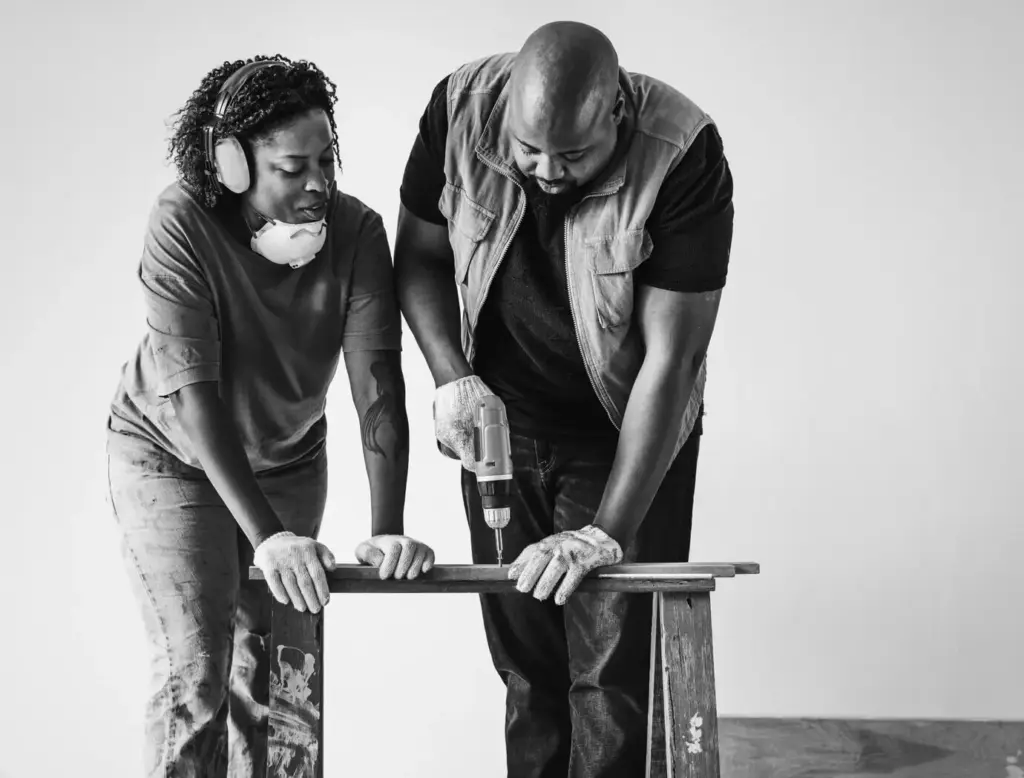
Bold Interiors Born from Upcycling

Today we’re diving into “From Scrap to Statement: Upcycling Stories That Transform Home Interiors,” celebrating the inventive journeys that turn cast-offs into cherished centerpieces. Expect practical guidance, heartfelt anecdotes, and honest lessons learned, so you can transform what you already have into rooms that feel deeply personal, sustainable, and unmistakably yours.

Sourcing with Soul: Finding Materials That Deserve a Second Life
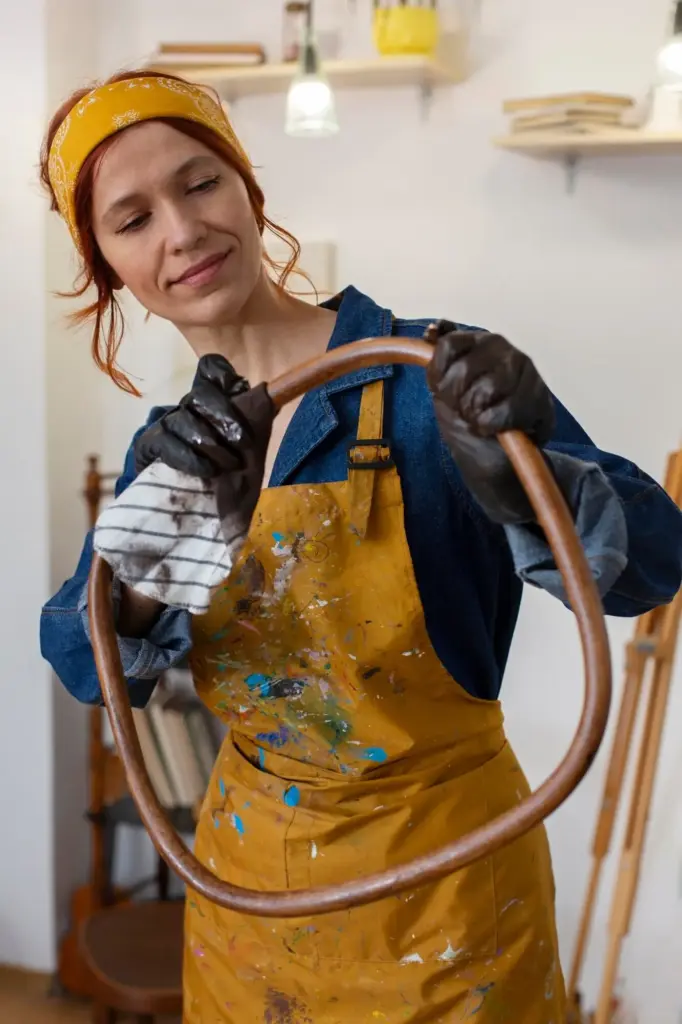
Hidden Treasures in the Ordinary
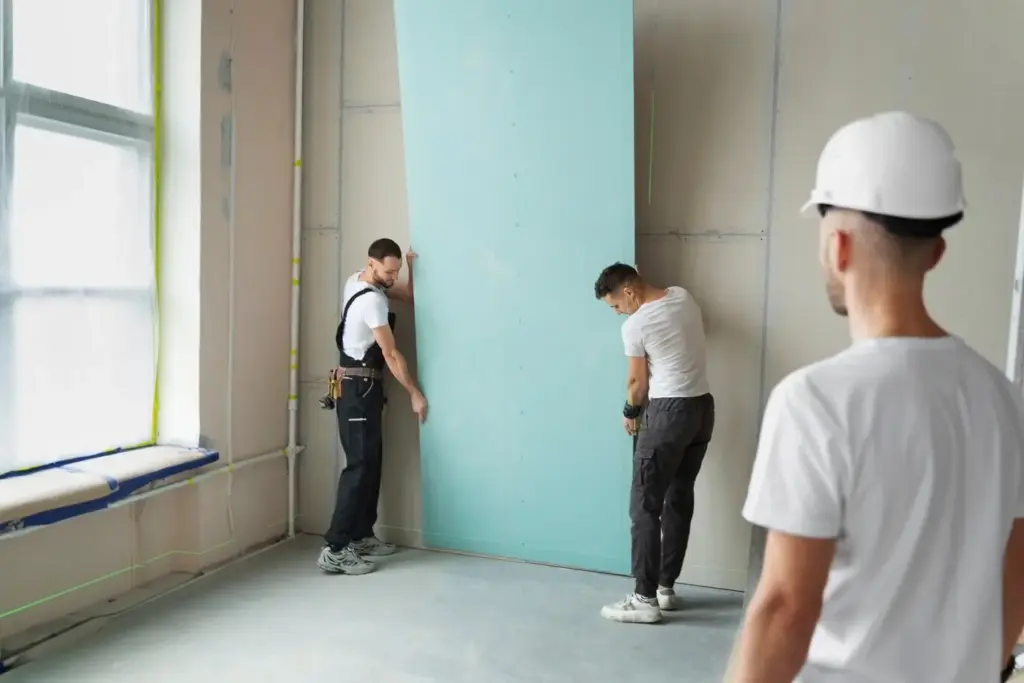
A cracked chair might conceal a solid oak frame; a faded curtain can hide extraordinary weave. Train your eye to notice thickness, grain, weight, and joinery rather than surface wear. Keep a measuring tape and magnet nearby, and keep notes on dimensions, hardware types, and possible uses to avoid impulse collecting.

Safety, Durability, and Structural Reality Checks
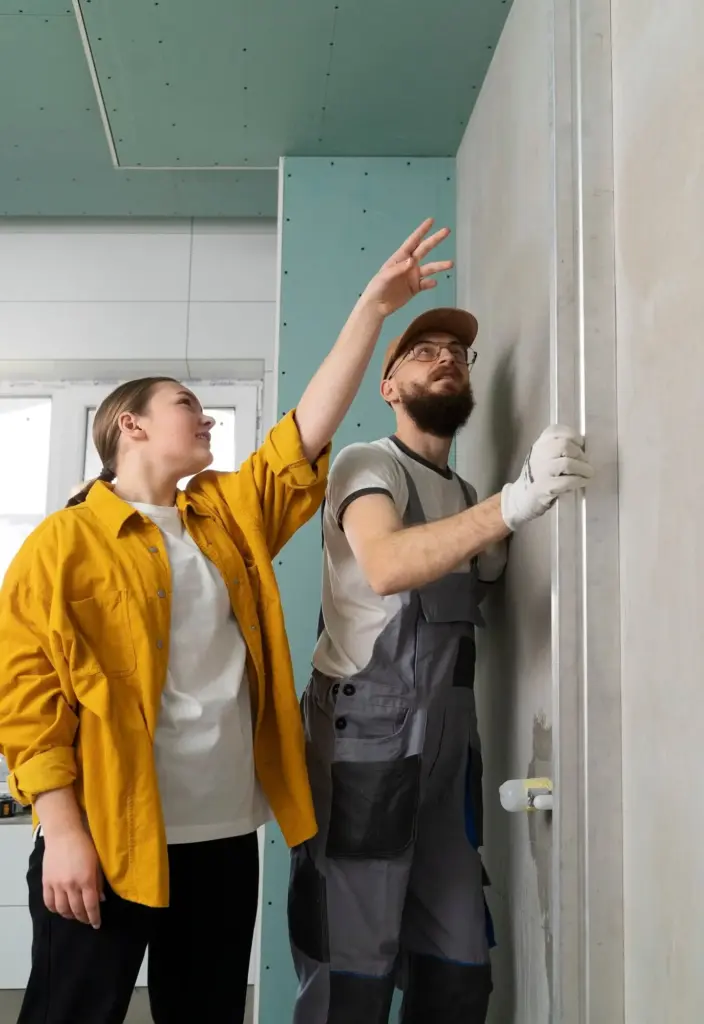
Before romance comes reality: inspect for rot, pests, lead paint, mold, and unstable welds. Sand or strip carefully, ventilate thoroughly, and test load-bearing parts. An honest assessment protects both your household and your hard-earned effort, ensuring each revived piece stands steady, ages gracefully, and truly belongs in daily life.

Provenance and Storytelling as Design Material

Ask where an item lived, who used it, and how it changed hands. A carpenter’s bench with inked measurements or suitcase with travel stickers can guide your design choices. Elevating provenance turns a simple object into conversation, anchoring your interior in narrative, community memory, and authentic human connection.

Design Alchemy: Turning Constraints into Character

A warped board invites a floating shelf with playful reveals; mismatched chairs become a curated dining set through unified finishes. Rather than erasing irregularities, frame them thoughtfully. The trick is balancing contrast and cohesion, letting unique details breathe while avoiding clutter or visual noise in busy rooms.
Decide what job the piece must perform and map stress points early. Storage? Seating? Mobile serving surface? Function clarifies dimension, joinery, and materials, while embellishment arrives after proof-of-use. When real needs lead, decorative choices feel earned, grounded, and aligned with everyday routines rather than short-lived novelty.
Tape, binder clips, clamps, and recycled cardboard let you test ideas quickly without cutting expensive material prematurely. Mark hinge swings, clearance zones, and traffic paths on floors. Iteration reveals hidden conflicts—radiators, outlets, door arcs—so the final build lands cleanly, saves resources, and sidesteps avoidable, costly rework.

Craft Techniques that Elevate Salvaged Pieces

Wood Joinery that Respects Old Timber

Seasoned boards move differently than new stock. Consider floating panels, splines, and mechanical fasteners that accommodate seasonal shifts. Use sharp hand tools for control, and pre-drill to prevent splitting. Minimal, reversible interventions protect history, while hidden reinforcements keep the silhouette clean and the structure resilient for years.

Metal, Glass, and Composite Fixes

Degrease and de-rust meticulously before priming metal; consider cold bluing for subtle protection. For glass, measure twice and use silicone pads to prevent stress points. With composites, test adhesion and heat tolerance. Smart material pairings—steel with oak, glass with reclaimed maple—create tension and harmony in the same breath.

Textiles: Reupholstery, Patching, and Quilted Surfaces

Old fabrics reward gentle cleaning, colorfast testing, and stabilized seams. Mix sturdy canvas with vintage patterns for longevity. Visible mending and sashiko stitches add artistry while reinforcing wear zones. Quilted panels transform drafts into coziness, and removable covers simplify care, so beauty and practicality finally speak the same language.

Color, Texture, and Patina: Styling an Upcycled Interior

Palette Building from Found Objects
Let a brass hinge, denim cushion, or terracotta planter set the palette. Sample colors directly from objects and extend them across rugs, throws, and art. A limited scheme, repeated intentionally, turns eclectic elements cohesive, guiding the eye while allowing standout pieces to claim deserved presence.

Balancing Patina with Clean Lines

Weathered textures shine when framed by clarity. Pair a scarred tabletop with slender legs and crisp silhouettes. Use negative space generously so aged finishes breathe. Keep hardware streamlined, cords tidy, and proportions lean, ensuring the room feels intentional, not chaotic, where history and modernity meet as equals.

Lighting that Loves Texture

Directional lamps rake across grain, while warm bulbs flatter brushed metals and aged varnish. Layer ambient, task, and accent lighting to sculpt depth and rhythm. Reflective trays and pale walls bounce light onto focal pieces, ensuring each salvaged surface reveals stories at sunrise, dinnertime, and night.

Case Files: Rooms Transformed by Imagination and Repair

{{SECTION_SUBTITLE}}
A Ladder Becomes a Library Wall
Two paint-splattered ladders, once retired from a contractor’s truck, were mounted with oak cleats and tempered glass shelves. Anchored into studs and stabilized with discrete brackets, the installation preserved scuffs like badges of work, turning a narrow hallway into a luminous book gallery with daily, grabbable inspiration.

A Door Reinvented as a Kitchen Island

An old, solid-core door—its dents and postal stickers intact—was trimmed, stiffened underneath with box bracing, and topped with a food-safe finish. Lockset holes became utensil cups, while casters added mobility. It grounded the kitchen with history, function, and merriment during gatherings where everyone inevitably congregates.

Sustainable Impact and Community Momentum

Upcycling keeps materials circulating, reduces landfill volume, and lowers embodied carbon from new production. It also grows neighborhood networks—people lending tools, trading offcuts, and swapping skills. Share progress, ask questions, and invite feedback; collective creativity scales solutions faster than any single household working in isolation could manage.

01

Waste Diverted, Carbon Saved, Money Kept

Track outcomes: weigh scraps diverted, log purchases avoided, and estimate emissions reduced using published averages. The numbers turn feel-good projects into measurable wins. Budget benefits compound too, freeing resources for better tools or local craftsmanship that stretches each rescued board’s story even further into the future.

02

Local Swaps, Repair Cafés, and Skill Shares

Host a porch swap, visit a makerspace, or volunteer at a repair café. Knowledge flows quickest in friendly rooms with coffee, sawdust, and laughter. Document tips, share failures, and celebrate small victories. Communities bloom around openness, where every patched tear or tightened screw builds confidence and connection.

03

Show Us Yours: Submit, Subscribe, and Celebrate

We want to see your proudest reinventions. Send photos, process notes, and lessons learned, and we’ll spotlight standout transformations. Subscribe for new stories, tutorials, and challenges. Comment with questions or advice—the more voices here, the richer the inspiration, and the stronger our collective, resourceful design culture.

Nuviravumenomefofahexu
Privacy Overview

This website uses cookies so that we can provide you with the best user experience possible. Cookie information is stored in your browser and performs functions such as recognising you when you return to our website and helping our team to understand which sections of the website you find most interesting and useful.