Rooms That Remember: Story-Driven Styling with Reclaimed Pieces

Step into story-driven styling with reclaimed pieces, where every board, brick, and bolt becomes a narrator of place and time. Together we’ll design meaningful, eco-friendly rooms that honor past lives, reduce waste, and express your values through character, craftsmanship, and honest materials that invite conversation, warmth, and lasting connection.

Hunting Grounds That Reward Curiosity

Wander through salvage warehouses, Habitat ReStores, flea markets, and small-town barns where dusty corners hide enduring quality. Talk to owners about the building’s story, era, and removal methods. Photograph markings, measure twice, verify stock quantity, and carry a magnet, moisture meter, and tape to minimize surprises and guide respectful decisions on site.

Judging Condition Without Erasing History

Examine joinery, end grain, and patina honestly. Check for rot, insect damage, warping, or hidden fasteners. Distinguish honest wear from structural failure requiring reinforcement. Plan cleaning that preserves tool marks, paint ghosts, and original saw kerfs, so you keep soul intact while ensuring strength, sanitation, and long-term performance in everyday living.

Responsible Buying and Fair Compensation

Seek materials sourced through permitted deconstruction rather than demolition scavenging. Pay fairly for skilled labor that carefully removes, catalogs, and transports components. Request receipts, origin notes, and any maintenance records. Your purchase supports circular economies, protects architectural heritage, and creates traceable provenance you can proudly share with future caretakers and curious guests.

Composing a Narrative Interior

Design your space as a sequence of chapters. Choose one meaningful element to lead, then layer textures, colors, and utility around it. Establish contrast between refined and rugged. Leave room for negative space so patina can breathe. Let comfort edit choices, ensuring beauty serves daily life with durable, low-maintenance, human-centered decisions.

Choosing the Anchor That Tells the First Chapter

Begin with a single statement piece: a door weathered by ocean air, a workbench polished by decades of hands, or flooring milled from a retired gymnasium. Let its scale, tone, and grain inform proportions, palette, and layout. Build sightlines that reveal its story as you move through morning, afternoon, and evening.

Layering Textures, Dates, and Contrasts

Combine rough-sawn beams with smooth plaster, oxidized brass with soft linen, and brick with limewash to echo multiple eras. Introduce contemporary silhouettes so the room feels current, not costume-like. Repeat colors thoughtfully, vary sheen levels, and use rhythm—large, medium, small—to keep the eye moving while honoring each element’s origin.

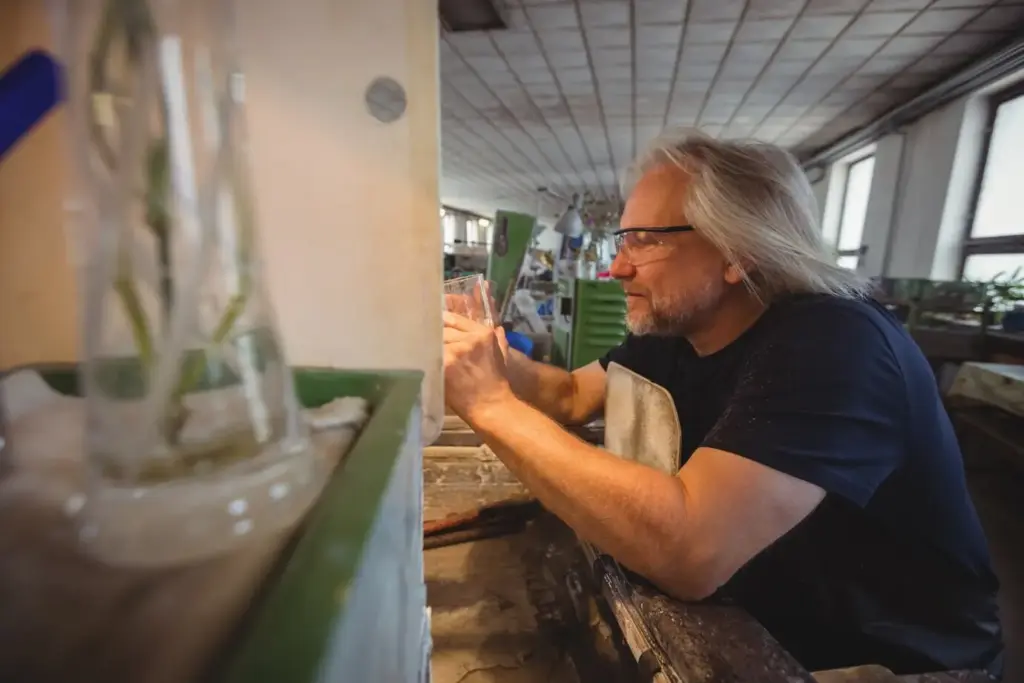
Safe, Sustainable Restoration That Lasts
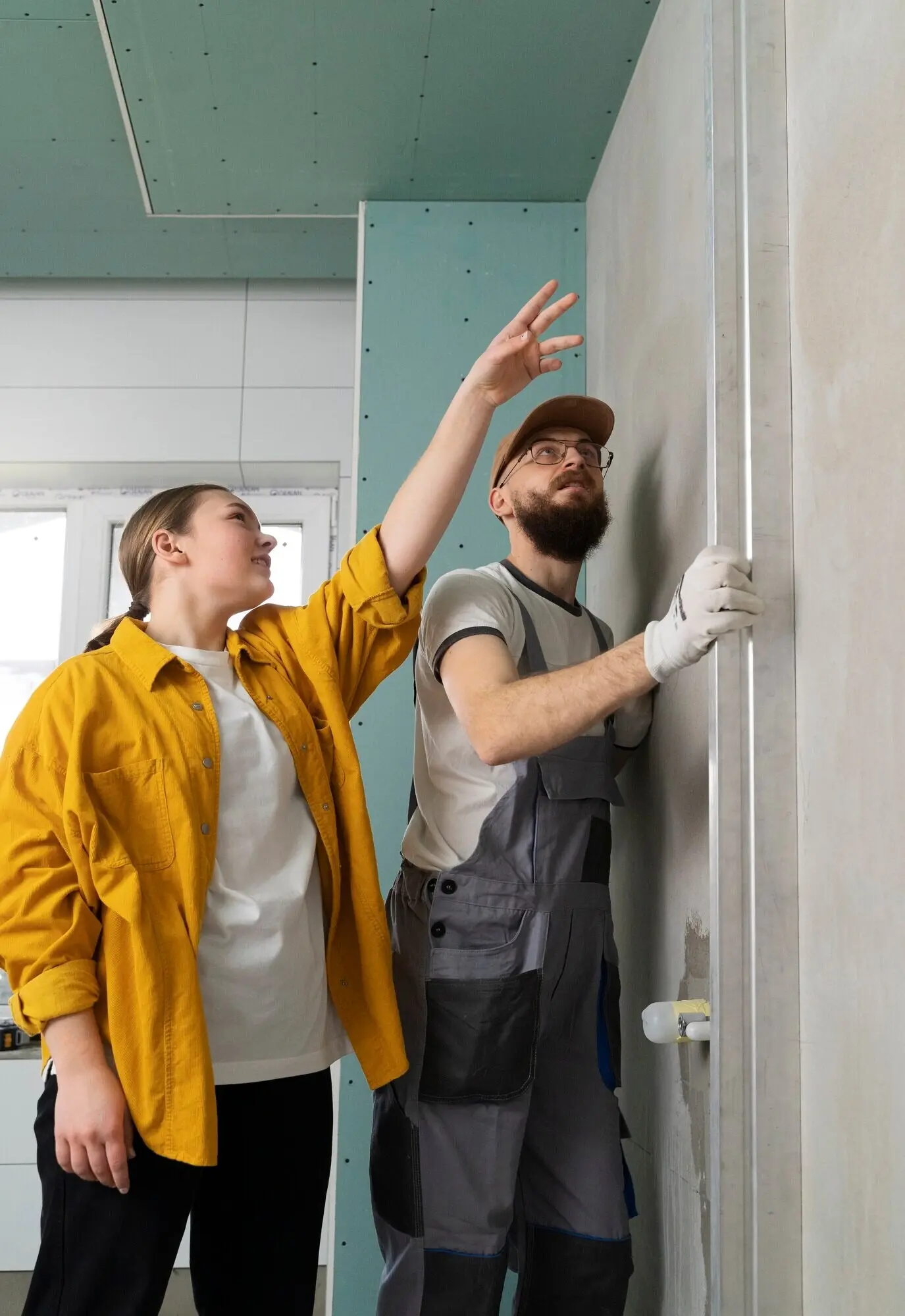
Respect the planet and your health while giving materials new life. Test for hazardous finishes, prioritize mechanical cleaning before chemicals, and select breathable, low-VOC finishes. Repair with compatible species and reversible methods. Durable sustainability emerges from patient preparation, honest tools, and finishes that age gracefully rather than peeling, cracking, or trapping moisture.

From Shipyard to Supper: A Kitchen Island with Tides
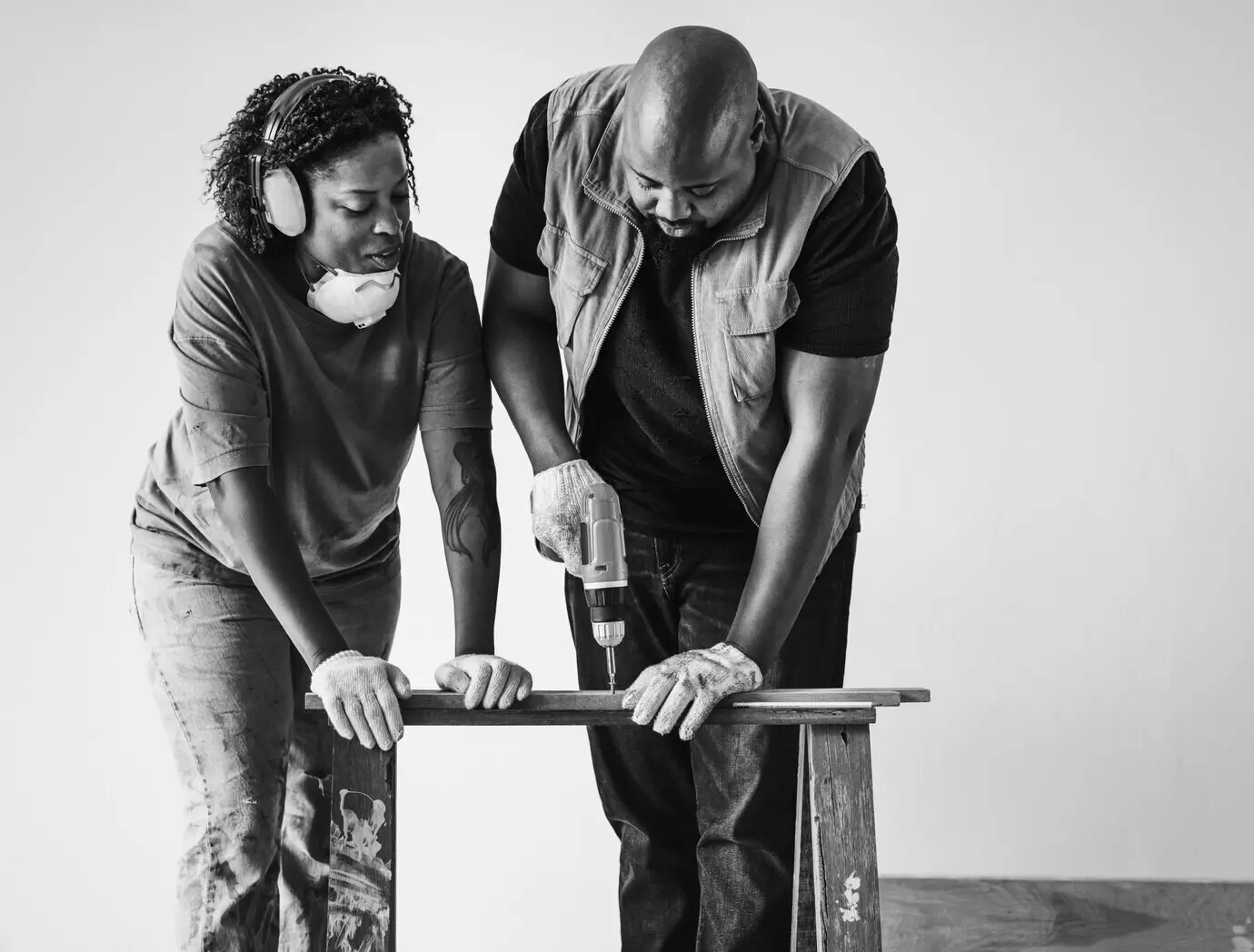
Old shipyard timbers become a weighty island, knife scars intact. Mineral streaks shimmer under hardwax oil, while a recycled steel frame provides stability and legroom. Induction cooking keeps air clean. Evening meals feel grounded by maritime rhythms, and guests inevitably ask about storms survived, ports visited, and hands that shaped the wood.

Quiet Desert Night: A Sliding Door with Distant Hailstorms

A reclaimed barn door glides on powder-coated hardware, muffling a bedroom from a lively living area. Faded field numbers remain visible, protected with matte varnish. The door’s knots echo desert moons, while wool rugs absorb sound. Late-night reading feels private, gentle, and connected to wide skies and weather carried indoors.

Styling Moves that Honor Memory

Styling amplifies meaning when it respects origin. Use negative space to prevent visual fatigue, select textiles that complement grain and metal, and create gentle repetition for cohesion. Curate rather than clutter. The goal is resonance—arrangements that breathe, invite touch, and encourage listeners to ask, remember, and contribute their own stories.

Textiles as Gentle Translators Between Eras

Balance rugged wood with soft, breathable fibers—linen, wool, cotton, hemp. Echo board tones with handwoven stripes, avoiding overly literal vintage prints. Choose washable, repairable textiles that age well and take mending gracefully. Layer cushions thoughtfully for comfort, leaving edges and tool marks visible so history remains the quiet star of gatherings.

Lighting That Lets Patina Sing

Build multiple layers: warm ambient light, focused task beams, and honest accents that graze texture. Use dimmers to shape mood and reduce energy. Place lamps where reflections skim metal and bring out grain. Vintage-inspired bulbs are charming, but prioritize efficiency and color rendering that flatters materials and the people living alongside them.

Display Rhythms for Small Artifacts and Ephemera

Gather small finds—ceramic shards, cabinet cards, hardware—into thoughtful groups, not piles. Use trays, shadow boxes, and simple ledges to create breathing room. Rotate displays seasonally so pieces remain fresh and meaningful. Include handwritten labels or short notes describing origin, sparking curiosity and preserving context for visitors and your future self.

Planning, Budget, and the Pace of Patience

Scope, Cost Baselines, and Contingencies That Protect Joy

Start with a clear scope and a must-have list anchored by one meaningful piece. Price cleaning, repairs, finishes, hardware, and transport. Add contingency for surprises—warped boards, missing trim, extra sanding. Protect joy by pacing decisions, keeping funds for comfort essentials, and saying no to deals that compromise ethics or usability.

Partners, Permits, and Logistics

Build relationships with deconstruction teams, millworkers, finish specialists, and electricians comfortable with older materials. Confirm code compliance for doors, railings, and stair parts. Schedule deliveries around weather, acclimation, and floor finishing windows. Photograph steps for reference, insurance, and storytelling. Good logistics make reclaimed choices feel seamless rather than stressful or precarious.

Phased Installations that Keep Life Flowing

Break the project into approachable stages: source, stabilize, finish samples, install, then style slowly. Keep one functional zone untouched for sanity. If floors are involved, move furniture in loops and use temporary runners. Celebrate each phase with photos and notes, building a living record that adds meaning alongside material transformation.

Start the Conversation: What Did You Rescue and Why?

Tell us the item you saved, where it came from, and how it changed your daily routine. Comment with a snapshot and a sentence about the first moment it felt at home. Your reflections help newcomers value provenance, choose wisely, and care for materials with patience, humility, and ongoing gratitude.

Photo Stories: Before, During, After

Document surfaces in natural light, capture tool marks, and note finishes used. Share process images, not just glossy reveals, so others see the honest work that makes patina comfortable and safe indoors. Tag your posts, invite critique, and celebrate micro-wins like the perfect patch, a quiet sheen, or an aligned hinge.
Nuviravumenomefofahexu
Privacy Overview

This website uses cookies so that we can provide you with the best user experience possible. Cookie information is stored in your browser and performs functions such as recognising you when you return to our website and helping our team to understand which sections of the website you find most interesting and useful.