Heirloom Revival Begins at Home

Today we explore Heirloom Revival: Stories and Sustainable Techniques for Restoring Old Furniture, celebrating the character of well-loved pieces and the earth-friendly methods that keep them in use. Expect practical guidance, moving narratives, and step-by-step ideas you can try today. Share your questions, subscribe for updates, and add your restoration journey to our growing circle.

Why Old Pieces Still Speak

Old furniture carries the fingerprints of time, shaping rooms with quiet confidence while reminding us that durability and story can coexist. Choosing to preserve it reduces waste, honors craft, and builds emotional continuity at home. With every thoughtful repair, you strengthen lineage, conserve resources, and invite meaning to live alongside function.

Sustainable Methods That Respect History

Thoughtful restoration balances conservation and usability. Gentle cleaning precedes any aggressive step, and test patches prevent surprises. Prioritize reversible methods, avoid unnecessary stripping, and reach for low-impact products. The goal is durability with minimal environmental burden, preserving original character while ensuring daily life can continue without worry, waste, or compromise on safety.

Tools, Space, and Safety for Confident Work
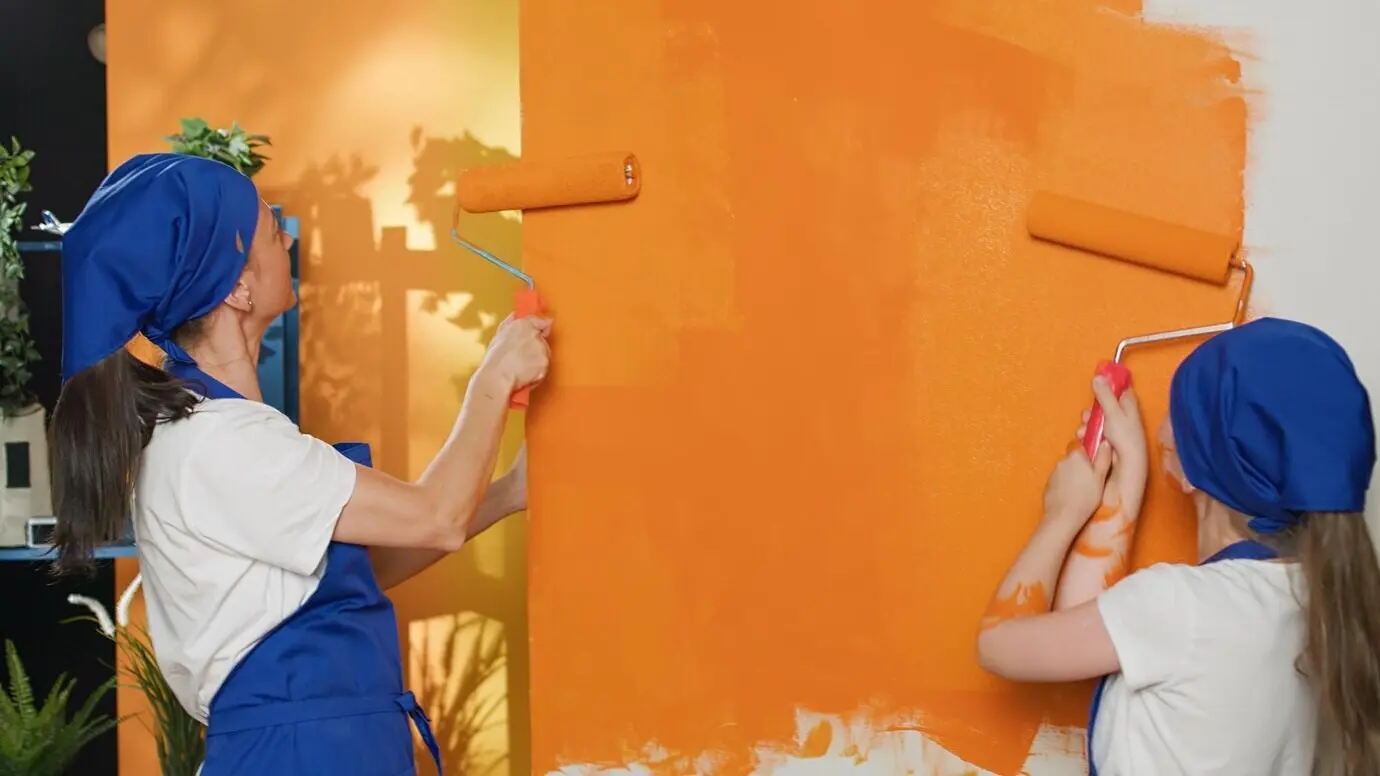
A calm, organized workspace makes restoration safer, kinder, and more enjoyable. Prioritize ventilation, dust control, and adequate lighting. Choose tools for precision, not brute force. Lay out labeled trays for fasteners. Keep a first-aid kit ready. With simple systems and habits, you reduce mistakes, protect your health, and improve every thoughtful outcome.
Start with card scrapers, a block plane, cabinetmaker’s chisels, clamps, and a mallet that feels balanced. Add a respirator, nitrile gloves, cotton rags, and soft brushes for nuanced work. Invest in quality sandpaper grits, a square, and a moisture meter. Precision tools pay dividends by preventing irreversible errors and unnecessary material removal.
Good light exposes scratches and finish issues before they surprise you later. Use a padded bench, stable sawhorses, and protective drop cloths. Control dust with a shop vacuum and open windows. Store solvents in metal cans, label everything, and schedule breaks. Focused pacing prevents rushed decisions that can scar wood and confidence.
Spend where safety matters—respirators, ventilation, and sturdy clamps—then watch estate sales and community swaps for gently used tools. Repurpose rags and jars, and buy finishes in quantities you will realistically use. Thrift stores often hide hardware treasures; patience transforms small finds into cohesive, sustainable solutions that respect both finances and craftsmanship.

Techniques to Repair, Refinish, and Reupholster
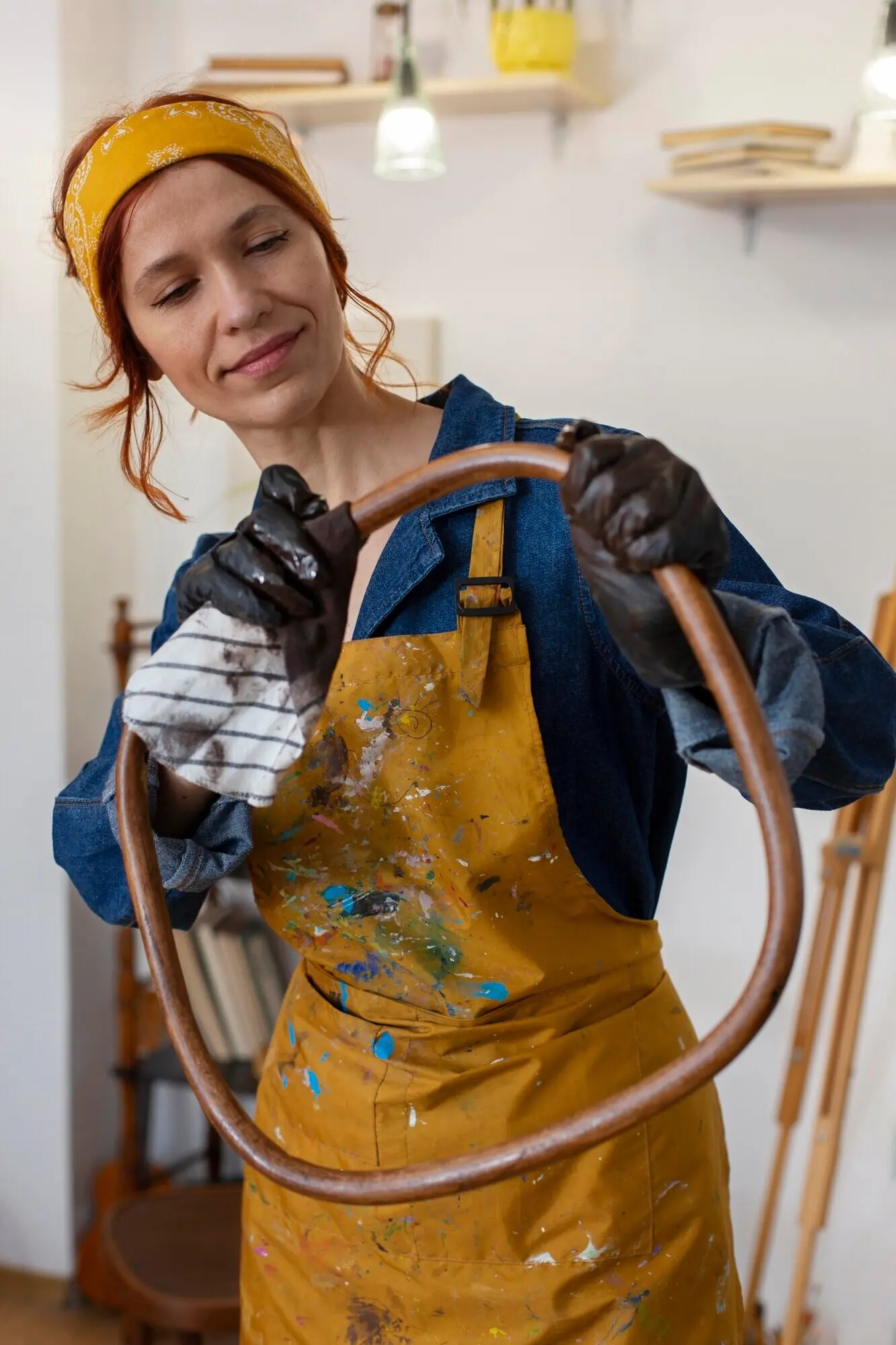
Work from least invasive to more intensive steps, addressing stability before beauty. Consolidate loose joints, level surfaces, then consider finish repairs. Upholstery comes last, after structure and finish work settle. Document each step with photos and notes, creating a repair record that helps future caretakers continue gentle maintenance with clarity and confidence.

Before-and-After Stories That Inspire

Transformation is most convincing when told through human moments. The chair that soothed a newborn becomes the chair that hosts homework. The dresser that survived a move gains reflective luster again. Share photos, timelines, and lessons learned below, inspiring others to try careful repairs that respect heritage while welcoming everyday life back in.
A loose runner creaked with every sigh. We tightened pegs, eased a split with hide glue, and revived the finish using shellac lightly toned to match sun-kissed rails. Now lullabies return, accompanied by a gentle rocking rhythm that feels both familiar and freshly supportive, inviting new stories to settle comfortably there.
Yellowed lacquer hid walnut’s depth. We tested spots, chose a careful strip, and applied a low-sheen oil-wax blend. Drawers slid like whispers after lubrication and subtle alignment. The piece now anchors a bedroom with warm grain and quiet practicality, proving restraint can be spectacular when grain and proportion are trusted allies.
A curbside chair, wobbling and sunburned, revealed solid maple bones. New corner blocks, re-glued joints, and breathable paint transformed it. Upholstered with linen remnants, it now hosts conversations by the window. Its past life remains visible in softened edges that welcome touch, reminding visitors that patience can turn neglect into daily grace.

Design Choices: Patina, Color, and Context

Honoring Patina Without Letting Decay Win

Keep burnished edges and sun-faded tones that tell honest stories, but interrupt active flaking and water damage decisively. Blend repairs rather than erase them. The goal is continuity: a surface that welcomes touch, resists daily wear, and retains clues about its journey so authenticity feels alive, approachable, and wonderfully resilient.

Color Strategies Using Milk Paint and Oils

Layer milk paint thinly so grain suggests itself beneath color, then protect with a natural oil or wax that adds depth without glossy glare. Choose hues that echo existing textiles and walls. Swatch boards under room lighting help avoid surprises, ensuring harmony by day, evening warmth, and photographed kindness.

Blending Restored Pieces Into Modern Rooms

Pair a revived sideboard with streamlined lighting and simple ceramics, letting contrast highlight craftsmanship. Use repeating materials—brass, linen, or oiled wood—so the eye connects eras. Scale matters; allow generous breathing space. Invite conversation by sharing the piece’s repair notes, encouraging guests to appreciate sustainability woven seamlessly into everyday beauty and function.

Nuviravumenomefofahexu
Privacy Overview

This website uses cookies so that we can provide you with the best user experience possible. Cookie information is stored in your browser and performs functions such as recognising you when you return to our website and helping our team to understand which sections of the website you find most interesting and useful.