From Forest to Fabric: How Your Home Tells a Sustainable Story


Today we are tracing the origins of sustainable wood, textiles, and finishes in your home, following the journey from forest, farm, and workshop to the pieces you touch each day. Discover how careful sourcing, healthier chemistry, and human craftsmanship shape beauty, durability, and meaning. Share your questions, tell us about favorite makers, and subscribe to keep following real stories behind materials that respect nature and the people whose skilled hands bring them to life.

Sustainable Wood: Journeys From Living Forests

When you run your hand across a well-made table, you are feeling a landscape translated into grain, sap lines, and strength. Responsibly sourced wood begins with living forests managed for biodiversity, water, and livelihoods. Selective harvesting, longer rotations, and community forestry protect habitats while providing enduring material. Ask sellers about provenance, certification, and chain of custody; the answers often reveal slower, wiser decisions. Your furniture can store carbon, honor ecosystems, and anchor family rituals for generations.

Textiles That Respect Soil and Hands

Look beyond thread count to the fields, flocks, and communities behind your sheets, curtains, and rugs. Healthy textiles start with soil that holds water, nurtures biodiversity, and honors farm labor. Organic practices avoid persistent pesticides; regenerative grazing rebuilds grasslands; fair pricing stabilizes rural economies. In your home, these choices mean softer hand-feel, truer color, and fewer allergens. Ask retailers for farm names, fiber origins, and dye processes. Your bedding and upholstery can comfort you and still safeguard future harvests.

Organic cotton, water wisdom, and real softness

Cotton’s story is often written in rivers. Organic cultivation avoids synthetic pesticides and favors soil health that retains moisture, reducing pressure on waterways. When mills recycle process water and capture heat, the environmental burden drops further. We visited a family factory where waste lint becomes insulation for shipping boxes, and workers take pride in cleaner air on the floor. The result reaches your bed as gentle softness and fewer chemical residues, inviting deeper rest and easier breathing night after night.

Regenerative wool and respect for animal welfare

Wool can be a climate ally when grazing rebuilds soil carbon. Regenerative ranchers rotate flocks, rest pastures, and monitor plant diversity. Independent audits of animal welfare ensure humane shearing and careful handling. Wool’s natural crimp gives bounce and resilience, perfect for cushions and throws that age gracefully. One shepherd described how spring rains now linger longer on healthier fields, a small but hopeful sign. When your blanket carries that care forward, it insulates more than warmth; it wraps you in stewardship.
Healthy Finishes: What Touches Every Surface

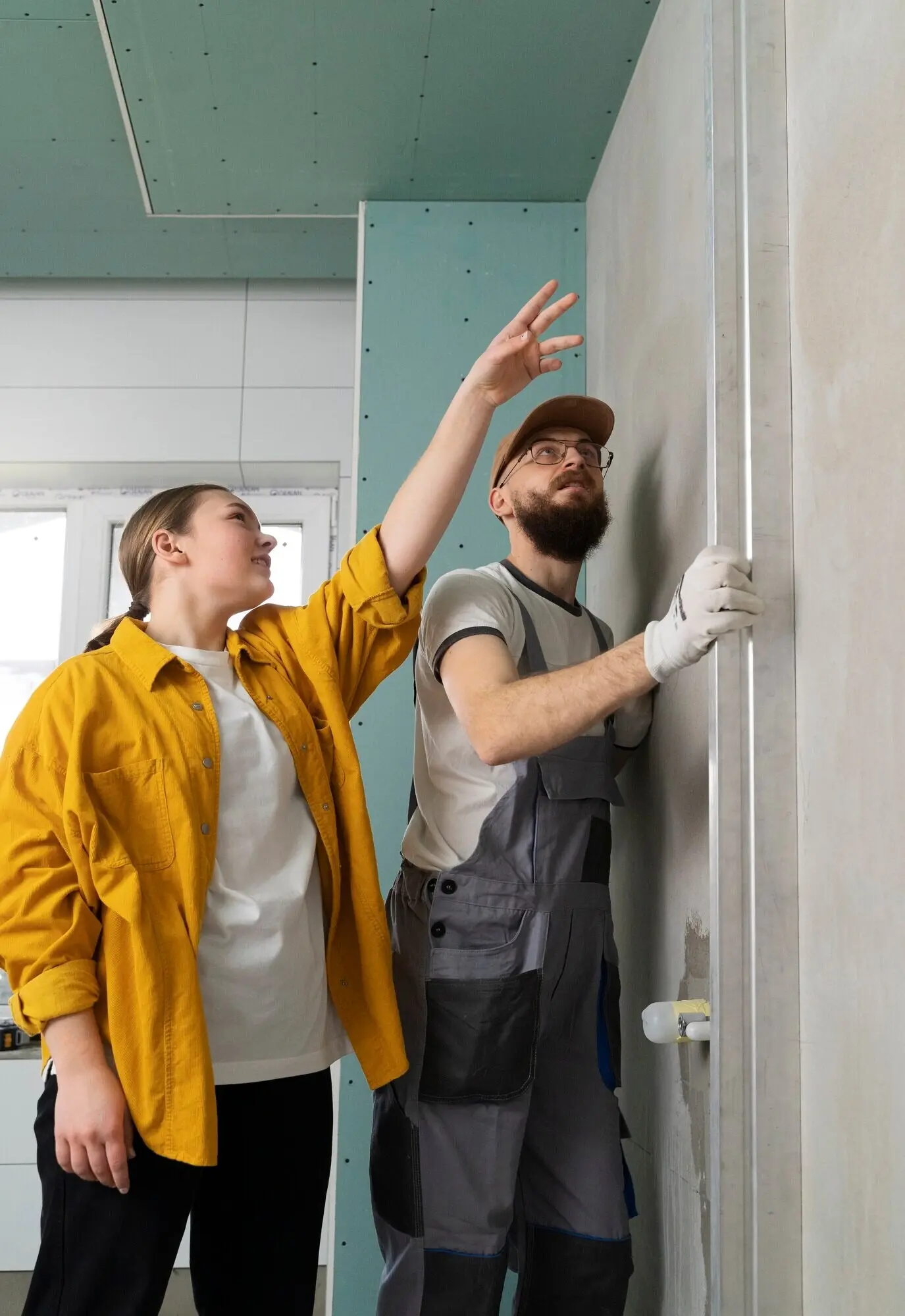
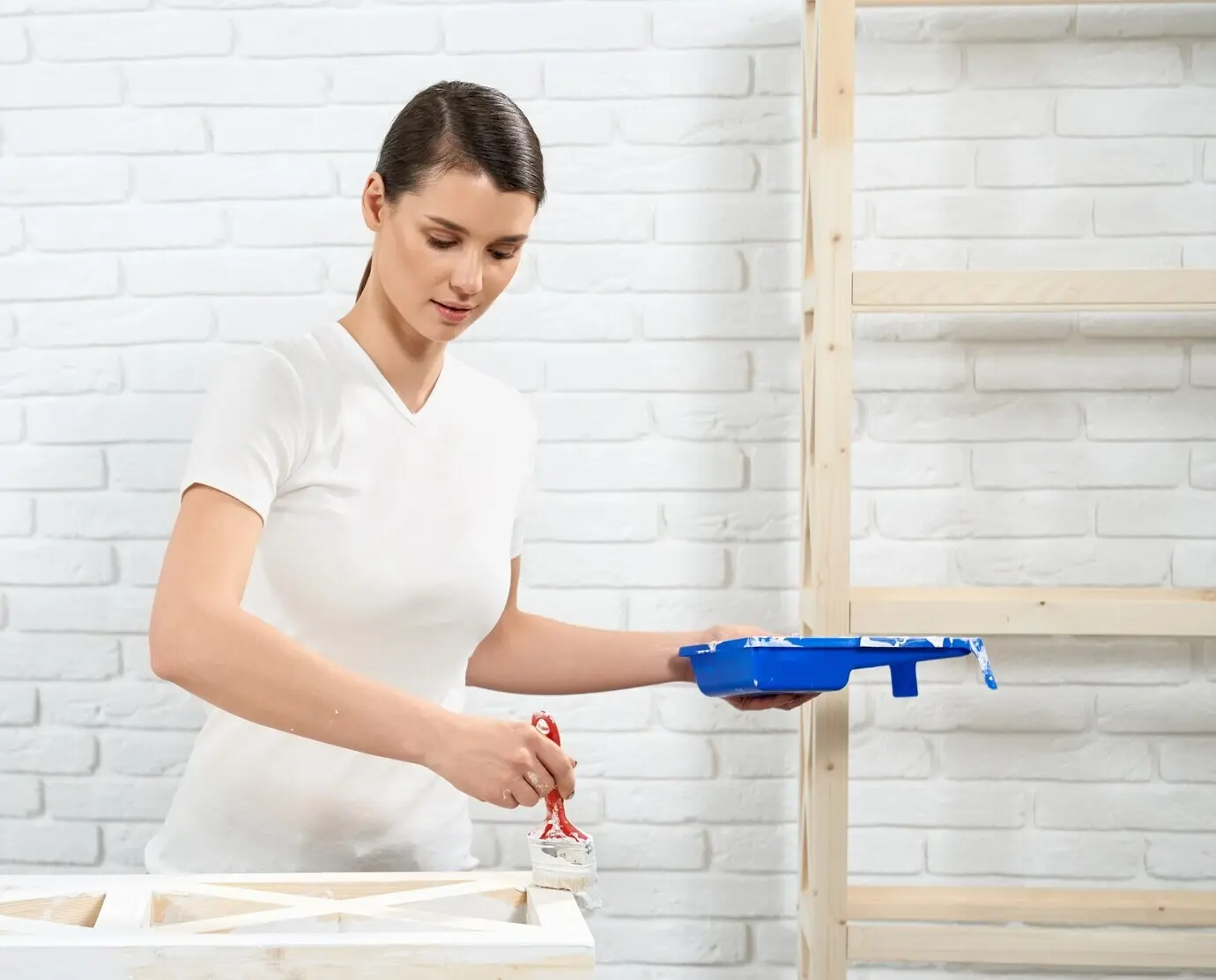
Finishes matter because they meet your skin and fill your air. Low-VOC paints, waterborne lacquers, and plant-based oils reduce off-gassing while protecting surfaces from daily wear. Understanding binders, solvents, and pigments helps you choose coatings that cure hard yet remain repairable. A cabinetmaker told us he switched to waterborne topcoats after his crew reported headaches; productivity rose, and the shop air cleared. At home, that choice becomes calmer mornings, fewer irritants, and a resilient sheen that invites everyday living.

Low-VOC choices and the science of indoor air

Volatile organic compounds evaporate into the rooms you breathe, not just for days but sometimes months. Selecting low-VOC or zero-VOC finishes reduces headaches, asthma triggers, and that lingering chemical smell. Look for third-party emissions testing, not just marketing claims. Ventilation, humidity control, and proper cure times complete the equation. One reader shared that switching primer and caulk eliminated persistent eye irritation in a nursery. These small technical choices translate into daily comfort, healthier playtime, and peace of mind at bedtime.

Natural oils and waxes that age with grace

Plant-based oils penetrate rather than form a thick plastic film, allowing wood to breathe and move naturally. Beeswax and carnauba add soft luster and touchable protection, and both can be renewed without sanding everything back. The ritual of periodic oiling becomes care rather than chore, extending life and deepening color. We love how walnut darkens subtly under linseed-based blends, collecting stories in gentle patina. Repair becomes easy—light abrasion, fresh oil, and patience—turning scuffs into chapters rather than disappointments.

Color without compromise, from minerals to modern tech

Pigments can be beautiful and responsible. Mineral-based colors offer rich depth without heavy solvents, while advanced waterborne systems deliver scrub resistance and clean edges. Avoid lead legacy hazards in older homes by testing and following safe practices. Ask about tint bases; some low-VOC claims vanish after adding deep colorants. A painter we know switched to a system where colorants are water-dispersible, and callbacks dropped sharply. Your walls can glow with saturated hues while keeping indoor air calm and family-friendly.

Proof and Transparency: Certifications, Labels, and Traceability
Clarity builds trust. Certifications help, but questions matter more. Ask how materials were grown, harvested, processed, and transported. Request chain-of-custody documents for wood and fiber origin details for textiles. Confirm emissions testing for finishes. The goal is not perfection but honest progress. When brands share factory names and audit summaries, you gain the power to align purchases with values. Save receipts, scan QR codes, and track what performs well. Your curiosity nudges the market toward better practices, one purchase at a time.

Partnerships that protect forests and livelihoods
In many places, community-managed forests outperform industrial concessions on biodiversity and social outcomes. Long-term agreements prioritize habitat and cultural practices while enabling calibrated harvests that fund schools and clinics. A maker we know buys ash directly from a tribal enterprise, accepting slower lead times to align with seasonal wildlife considerations. The result is fewer defects, deeper accountability, and money that stays local. Your bookshelf can become a quiet ambassador for sovereignty, conservation, and resilient economies that outlast quick profit cycles.

Weavers, cooperatives, and living-wage textiles

Cooperatives distribute orders fairly, invest in safer looms, and provide predictable income, reducing child labor risk and predatory middlemen. A Mexican rug collective shared that pooled savings replaced smoky dye pits with efficient kettles, cutting respiratory issues. Transparent pricing reveals how much goes to raw fiber, dye, labor, and logistics. When you drape a handwoven throw across a sofa, you feel more than texture; you feel equitable timing, calmer households, and kids doing homework because parents are not chasing unpaid invoices.

Local makers and the power of short supply chains

Proximity shrinks transport emissions, simplifies communication, and enables custom repairs that keep pieces in use. A neighborhood finisher matched an old maple sideboard perfectly because he knew the regional sapwood variation and historic varnish recipes. Money spent locally circulates as wages, rent, and new apprenticeships. When a leg loosens, you can walk it back for tightening rather than replacing everything. Shorter chains create friendships and accountability, turning maintenance into conversation and your home into a gallery of relationships you can actually visit.

Care, Longevity, and Circular Choices at Home

Sustainability lives in daily habits. Dust with microfiber, place felt pads under chairs, and keep relative humidity stable to prevent movement. Spot-clean textiles promptly, rotate cushions, and protect drapes from UV with liners. Refinish tops before damage cuts deep, saving material and cost. Donate, trade, or consignment-sell pieces that no longer fit rather than discarding them. Tell us how you maintain cherished items, and subscribe for repair guides, greener cleaning recipes, and workshop visits focused on keeping good things in use.
Nuviravumenomefofahexu
Privacy Overview

This website uses cookies so that we can provide you with the best user experience possible. Cookie information is stored in your browser and performs functions such as recognising you when you return to our website and helping our team to understand which sections of the website you find most interesting and useful.